
Did you know that the fine silt and dust from the Verdugo Mountains can reduce your air conditioner's efficiency by up to 15% in a single summer? In Glendale, this dust acts as an insulator on your condenser coils, trapping heat and forcing the compressor to run at dangerously high temperatures. A simple, Glendale-specific coil cleaning can often lower your utility bills more than a complex mechanical repair.
Did you know that during Santa Ana wind events, the static pressure in your home's ductwork can change significantly? For homes in high-wind areas like Chevy Chase Canyon, this puts extreme torque on your blower motor. Without a high-efficiency motor that can adjust to these pressure changes, your system is at a much higher risk of "burning out" during the windiest months of the year.
Did you know that in Glendale, California’s Title 24 energy code mandates that if you replace more than 40 feet of ductwork, you are legally required to have a HERS rater test your system for leaks? This is why "cheap" repairs can often turn into legal headaches. Local experts focus on "code-compliant" repairs to ensure your system meets state efficiency standards without triggering expensive city inspections.
Glendale summers bring a specific kind of intensity. From the historic hillside estates in Rossmoyne to the sun-drenched commercial corridors near Brand Boulevard, the thermal load on residential cooling systems is massive. When the thermometer hits triple digits, a central air conditioner blowing warm air is more than a nuisance. It is a sign that the mechanical limits of the system have been reached or breached. Understanding why a unit fails during these peak events requires a look at both the local environment and the complex engineering of modern HVAC equipment.
The San Fernando Valley geography creates microclimates that challenge even the most robust central air conditioners. In neighborhoods like Chevy Chase Canyon or Verdugo Woodlands, high-elevation heat combines with valley floor humidity to trap thermal energy. If your vents are emitting lukewarm air while the compressor outside is humming, the system is likely struggling with a specific component failure. Residents often search for HVAC repair Glendale or Glendale AC repair when they notice the thermostat temperature rising despite the system running continuously. Green Planet Heating and Air addresses these issues by looking at the technical root causes tailored to the Los Angeles County climate.
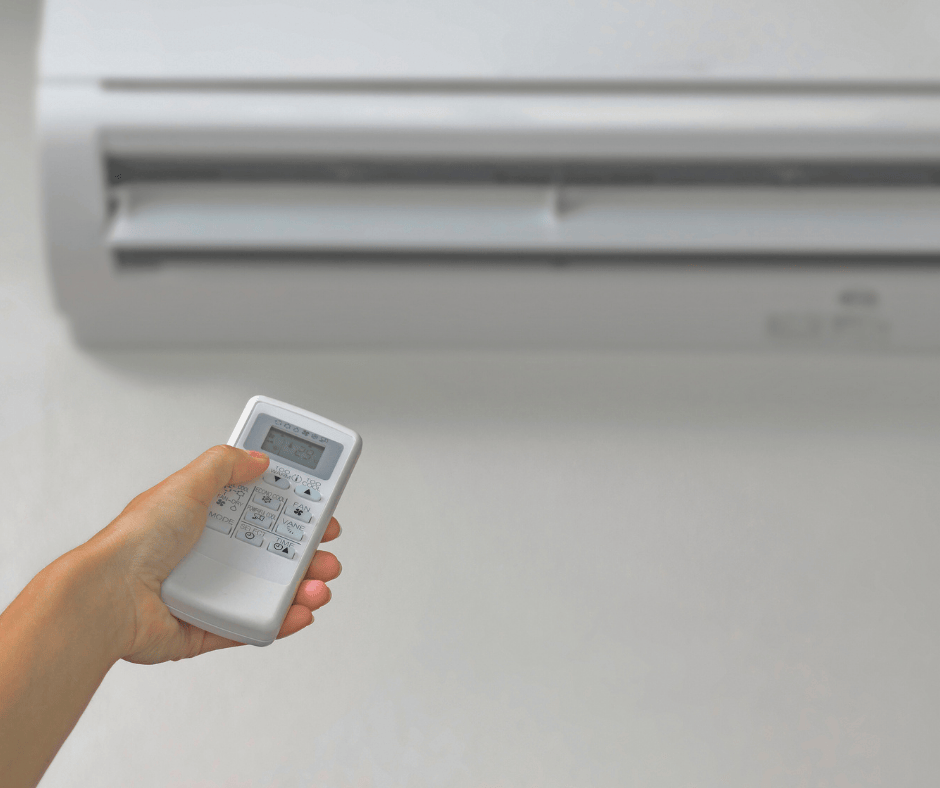
Glendale is uniquely positioned near the Verdugo Mountains. This proximity means that outdoor condenser coils are constantly bombarded by fine silt and mountain dust. During Santa Ana wind events, this particulate matter becomes a thick blanket on the aluminum fins of your outdoor unit. A condenser coil serves as the primary heat release point for your home. When dust acts as an insulator, the heat removed from your living room has nowhere to go. This causes the internal pressure of the refrigerant to skyrocket, leading to a system-wide shutdown or the compressor pumping warm air to prevent permanent damage.
Local HVAC maintenance is the only defense against this environmental buildup. Technicians often find that a thorough chemical cleaning of the condenser coil restores full cooling capacity to homes in the 91208 and 91207 zip codes. Without this cleaning, the system operates under extreme head pressure, which shortens the lifespan of the blower motor and the compressor itself. Maintaining SEER2 compliance and energy efficiency in California requires a proactive approach to these localized environmental stressors.
Heatwaves place immense electrical strain on the power grid and individual home circuits. The most common technical failure during a Glendale heatwave is a blown start capacitor. This small, cylindrical component provides the initial jolt of energy needed to kickstart the compressor and the condenser fan motor. When ambient temperatures exceed 100 degrees, the heat inside the electrical cabinet of your AC unit can reach 150 degrees. This heat causes the internal fluids of the capacitor to expand and leak, rendering the component useless.
If you hear a faint buzzing sound from your outdoor unit but the fan is not spinning, a failed capacitor is the likely culprit. This prevents the cooling cycle from starting, even though the indoor blower motor continues to push room-temperature air through your ducts. We keep our service trucks stocked with universal start capacitors and contactors to ensure your Glendale AC repair is completed in one visit. Prompt replacement of these electrical parts prevents the compressor from overheating and potentially burning out its internal windings.
It seems counterintuitive, but a cooling system can freeze solid in the middle of a July afternoon in Glendale. This usually happens for two reasons: restricted airflow or a refrigerant leak. An air conditioner uses a specific volume of refrigerant to absorb heat at the evaporator coil located inside your home. If the refrigerant level is low, the pressure inside the coil drops, causing the temperature of the coil to fall below freezing. Moisture in the air then turns to ice, creating a physical barrier that prevents any air from passing through.
Homeowners in Rossmoyne with older central air conditioners or ductless mini-splits often face this issue. If you notice ice on the copper lines leading to your outdoor unit, turn the system off immediately. Continuing to run a frozen system can lead to liquid refrigerant slugging back into the compressor, which is a catastrophic failure. Professional leak detection and repair are necessary to ensure the system meets California Title 24 standards and operates efficiently. Simply "topping off" the refrigerant is a temporary fix that ignores the underlying hole in the copper line.
The intense heat forces the system to run longer cycles. This duration exposes weaknesses in mechanical parts that might perform fine in milder weather. A failed contactor, for example, is a common issue. This switch closes to send high-voltage power to the compressor. Over time, the silver pads on the contactor can pit or weld together due to high electrical loads. When this happens, the compressor may fail to start or, worse, fail to turn off, leading to a complete system breakdown during the hottest part of the day.
Here is a list of common symptoms that indicate a mechanical failure:
Glendale residents often deal with poor air quality during wildfire season. Smoke and ash from the Verdugo Mountains or nearby canyon fires quickly clog standard air filters. When an air filter is restricted, the blower motor must work twice as hard to pull air through the return. This lack of airflow is a primary cause of warm air at the vents and short cycling. We recommend using MERV 11-13 air filters to protect your equipment and your lungs, but these must be checked monthly during peak summer use.
A clogged filter causes the evaporator coil to stay too cold, which leads back to the freezing issues mentioned earlier. In high-density areas near the Glendale Galleria, urban dust and pollutants add to the strain. Upgrading to a whole-home air purifier or a variable speed heat pump can help manage these loads more effectively. These modern systems adjust their output to the specific needs of the home, providing consistent comfort without the harsh on-off cycles of older equipment.
The technical requirements for a Lennox Signature Collection unit differ significantly from a budget-friendly Goodman or Rheem system. Many homes in the Verdugo Woodlands utilize high-efficiency Mitsubishi mini-splits or Daikin variable-speed systems. These units use sophisticated inverter technology to maintain precise temperatures. When these systems blow warm air, it often indicates a communication error between the indoor and outdoor boards or a failure in the expansion valve (TXV).
Expert maintenance for Carrier, Lennox, and Mitsubishi requires technicians who understand digital diagnostics. We use genuine OEM parts to protect the manufacturer warranty and ensure the equipment performs at its rated SEER2 efficiency. Whether it is a package unit on a Riverside Rancho rooftop or a dual-fuel system in Adams Hill, our technicians are factory-trained to service the specific brand in your home. Generic repairs often lead to recurring issues because they do not account for the proprietary controls of high-end luxury brands like Bosch or Fujitsu.
Sometimes the problem is not the air conditioner itself, but the brain controlling it. A malfunctioning smart thermostat can send the wrong signal to the HVAC system, telling the fan to run without engaging the cooling cycle. This is a common source of warm air from vents. Dead batteries, loose wiring, or software glitches in brands like Honeywell Home or Nest can cause the contactor to chatter or fail to engage. During a Glendale ac repair visit, we always verify the low-voltage signals coming from the thermostat to ensure the communication path is clear.
In older homes across Montecito Park or Glenoaks Canyon, the wiring might not have a "C" wire, which is necessary to provide constant power to modern Wi-Fi thermostats. This can lead to the thermostat "stealing" power from the cooling circuit, causing the AC unit to act erratically during the heavy load of a heatwave. Updating your thermostat and ensuring proper wiring is a simple way to improve the reliability of your entire cooling system.
In many Glendale homes, the ductwork runs through an unconditioned attic. During a summer afternoon, attic temperatures can easily reach 140 degrees. If your ducts have leaks, disconnected joints, or crushed sections, you are losing cold air to the attic and pulling hot, dusty air into your living space. This results in warm air coming from the vents even if the AC unit itself is working perfectly. Duct repair and proper attic insulation are essential components of a comfortable home.
Short cycling is often a symptom of ductwork that is improperly sized for the blower motor's capacity. If the air cannot exit the system fast enough, heat builds up in the air handler, and the high-pressure switch shuts the unit down as a safety precaution. This is especially common in older Rossmoyne homes that have had a modern high-efficiency AC unit installed without updating the legacy ductwork. A professional Manual J load calculation and duct inspection ensure that your system can breathe and move the necessary volume of air to keep you cool.
Choosing a company that is locally owned and operated means working with people who understand Glendale's building codes and environmental quirks. We are familiar with the specific requirements of the Alex Theatre district and the residential hillside challenges of Brockmont. Our technicians are Glendale's first responders for summer AC emergencies, located just a short drive from the Americana at Brand. This proximity allows us to provide rapid HVAC repair Glendale homeowners can rely on when the heat becomes unbearable.
We prioritize energy-efficient repairs that meet the strictest California safety standards. As an Energy Star Partner and a CSLB licensed contractor, we emphasize long-term solutions over quick patches. We understand how the local Santa Ana winds impact your outdoor condenser coils, requiring specialized cleaning to maintain peak performance. Our service trucks are mobile warehouses, equipped to handle the diverse needs of Glendale's historic and modern housing stock.
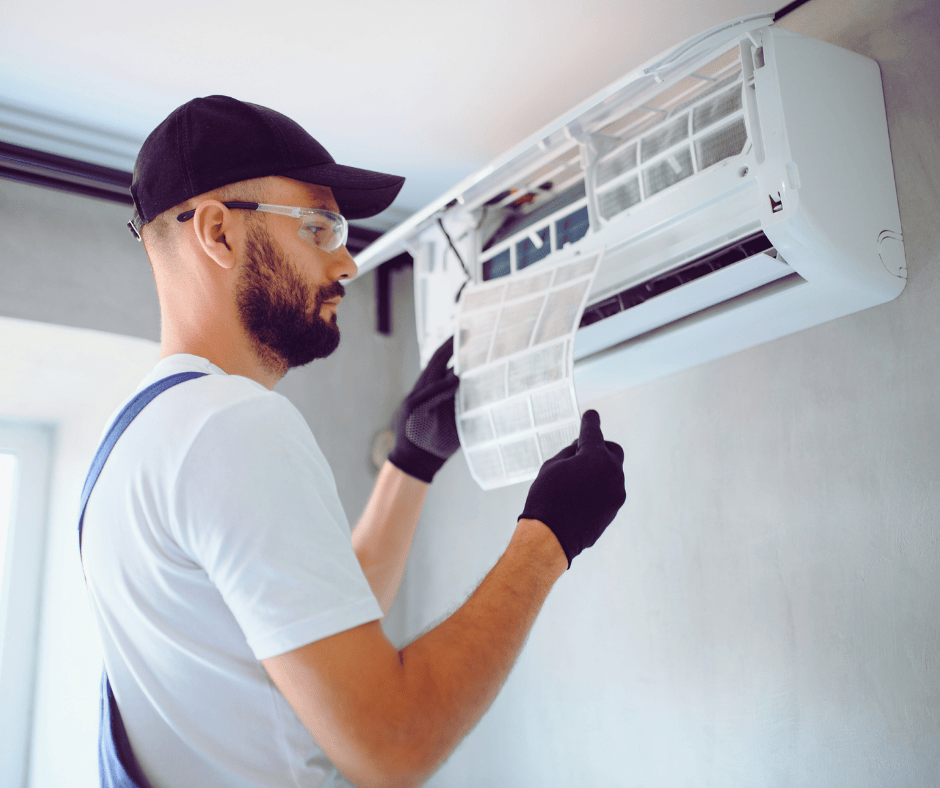
Prevention is always more cost-effective than an emergency repair in the middle of a heatwave. A seasonal AC tune-up special is designed to catch small issues like a worn contactor or a slightly low refrigerant charge before they lead to a total system failure. By testing the start capacitor and cleaning the drain pan, we prevent the most common causes of "no-cool" calls. This proactive approach saves you money on high utility bills and extends the life of your central air conditioner.
Here is what you should check before the next heatwave hits:
When your Glendale air conditioner blows warm air, you need a technician who brings technical depth and local experience. Our EPA-certified team understands the nuances of the San Fernando Valley heat and the specific engineering of major brands like Trane, American Standard, and York. We provide transparent, upfront pricing so you know the cost of your Glendale AC repair before we start any work. Our 100% satisfaction guarantee reflects our commitment to the community we serve, from Atwater Village to Montrose.
We offer free estimates on new installs and 24/7 emergency service for those times when the cooling fails at 2:00 AM on a Saturday. Our focus on indoor air quality and SEER2 compliance ensures your home is not just cool, but healthy and efficient. For those needing specialized Burbank air conditioning repair, we provide rapid diagnostics for failed start capacitors and refrigerant leaks across the 91506 zip code. We handle everything from minor duct repair to full variable speed heat pump installations near the Burbank Town Center. Partnering with a local specialist means you get a partner who cares about your comfort as much as you do.
Don't let a failing air conditioner turn your Glendale home into an oven. Whether you are in Rossmoyne or the Verdugo Woodlands, Green Planet Heating and Air is ready to restore your comfort. Our Glendale technicians specialize in diagnosing failed start capacitors and refrigerant leaks to restore cooling to your home during extreme Valley heatwaves. Contact us today for a precision tune-up or emergency repair. Call Green Planet Heating and Air now to schedule your service and experience the difference of locally-owned expertise. We are your first choice for HVAC repair Glendale and Glendale ac repair, providing the relief you need when it matters most.
Redirect to:
|
This page is a redirect. The following categories are used to track and monitor this redirect:
|